
Alcohol-induced headaches can be a real buzzkill, but understanding why they occur is the first step towards finding relief. While the exact mechanisms are not fully understood, researchers have identified several factors that may contribute to these throbbing head pains. From the way alcohol affects blood vessels to its impact on dehydration and the production of certain chemicals in the brain, there are multiple angles to consider. By unraveling these mysteries, we can gain valuable insights into how to prevent or minimize alcohol-induced headaches and make those nights out a little more enjoyable.
- A good rule is to consume one glass of water for every beer you drink.
- If you’re sensitive to one or more of these, you may get a pounding headache after only a small amount of beer.
- These possible triggers are also found in other reported trigger foods, such as cheeses, dried fruits, processed meats, and fermented foods and drinks.
- Although, as we’ll discuss below, there are other factors that can lead to headaches no matter what form of alcohol you consume.
Histamine and Tyramine Sensitivities
You think that hangover headaches only happen to people who drink a lot over the course of several hours. However, anyone who gets a headache after drinking a small amount of alcohol knows this isn’t the case. When it comes to preventing alcohol-induced headaches, there are several strategies you can employ to minimize the likelihood of experiencing discomfort.
How to Enjoy Beer Without Triggering Another Migraine Attack
The type of alcohol being consumed can determine how little is needed to cause a headache. This is because ingredients and additives used in alcohol production can trigger headaches. Be sure to talk with your healthcare provider about your “cocktail headache” plan. Drinking even a small amount of alcohol can trigger headache symptoms in certain individuals. These symptoms may begin within minutes or hours of drinking and vary widely in severity.
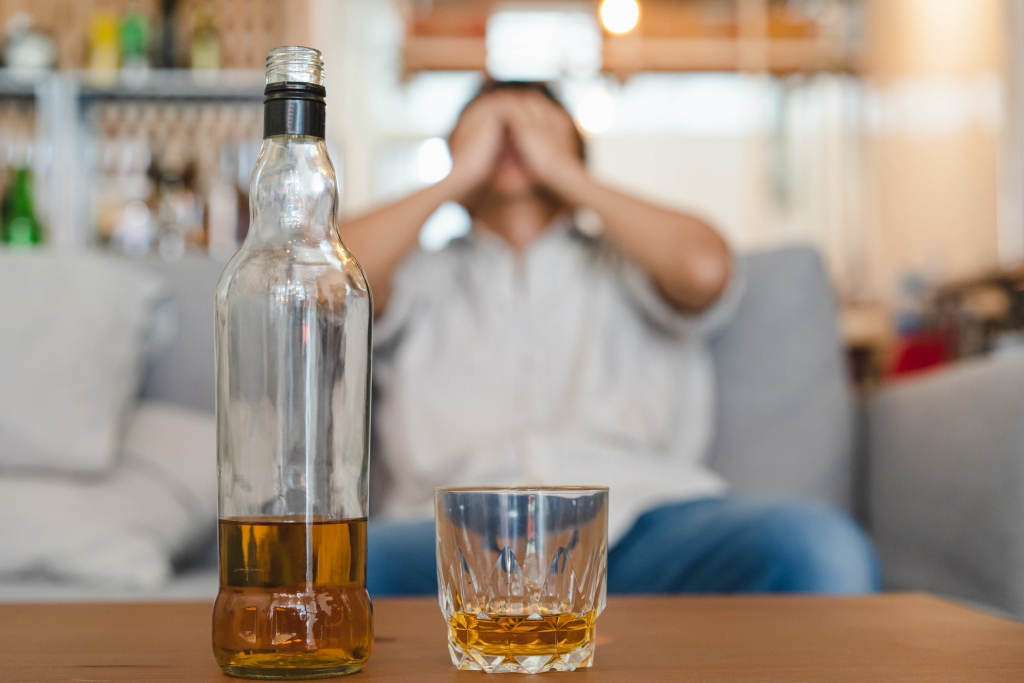
Common Causes of Beer-Induced Headaches
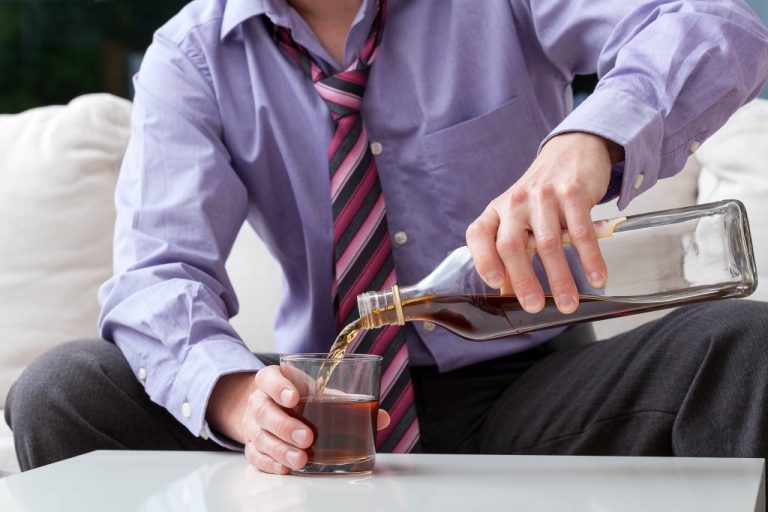
If you’re prone to headaches, consider selecting low-histamine beer options and reading ingredient labels to avoid problematic brews. Alcohol is a diuretic, causing increased urination which can lead to dehydration. Dehydration why does rum give me a headache can trigger headaches by causing fatigue and dizziness. Drinking water alongside alcohol can help maintain hydration and reduce the likelihood of headaches.
- Many non-alcoholic beers use sugar or artificial sweeteners to mimic the sweetness often lost when alcohol is absent.
- Granted, some headaches, like migraine, can be triggered or exacerbated by drinking alcohol, but the throughline is blurry.
- Reading labels can help you steer clear of potential headache culprits.
- When we consume alcohol, particularly wine and beer, it can increase the release of histamine in the body.
- Researching reviews and looking for tequilas praised for their purity and smoothness can be helpful.
Can Non-Alcoholic Beer Give You a Headache?
By following these tips, you can enjoy your drinks without the unwelcome side effects. Furthermore, mixing different types of alcohol can lead to dehydration, as alcohol has diuretic properties that increase urine production. Dehydration is a known trigger for headaches, and when combined with the effects of alcohol rehab alcohol, it can intensify the likelihood of developing a headache. Mixing different types of alcohol, also known as “cocktail concoctions,” can increase the likelihood of experiencing a headache. When different types of alcohol are combined, it can be more challenging for the body to metabolize and eliminate these substances efficiently.
What Causes Headaches After Drinking Alcohol?
You could also search our Resources Library to learn more about symptoms, triggers and treatments. It’s important to stay updated on the latest migraine research and treatment strategies. The American Migraine Foundation Resource Library provides a wealth of articles designed to assist you in understanding your symptoms and treatment options.